Judging notes from Sathyabama Institute’s Investor Connect, and what 15 pitches revealed about investment readiness
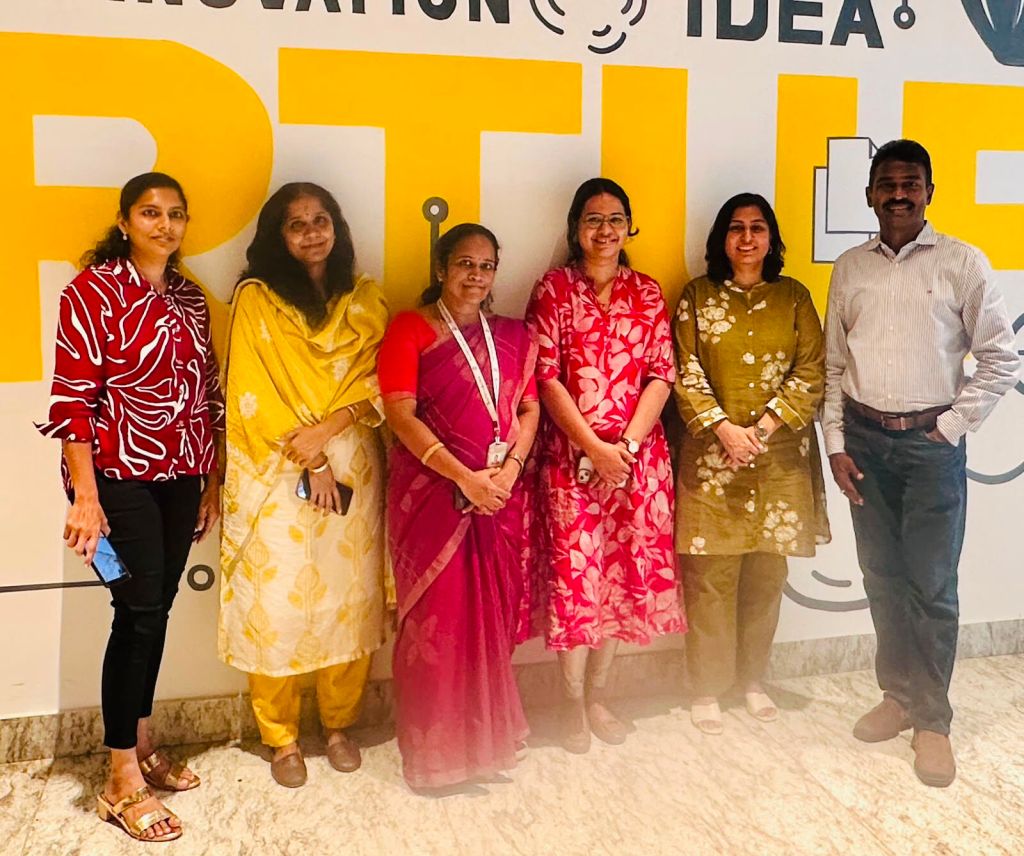
I was back at Sathyabama Institute of Science & Technology, Chennai on 24 August, this time for their Investor Connect – Incubated Startup Pitching event, organised by the Startup Cell.
I evaluated close to 15 startups across climate tech, quantum, AI/SaaS, edtech, healthtech, medtech, biotech and sustainable construction. I had also juried a startup pitching event there last year. A few founders pitched again this time, and the progress was clearly visible.
The founders had interesting ideas, but a recurring gap was investment readiness.
Several startups had calculated their valuations incorrectly, and their funding asks were far higher than what they actually needed. Instead of picking a large number, founders need to work backwards: What is the next milestone? How much will it cost to reach it? And will achieving it help build credibility with investors?
Not many had explored the grants available in their sectors either.
Competitor scoping was also weak, with limited awareness of direct competitors, adjacent players and existing alternatives. In some cases, the problem was real, but the product was not yet the right fit for the market. A few startups at the prototype or early-pilot stage may also need to pivot after doing deeper problem and market validation.
Founders need to be far more proactive. Ask for help. Enter competitions. Pitch wherever possible. Speak to the market. Study what already exists. The ecosystem has plenty of support, but founders must actively go out and use it.
We were also invited to address the students on stage.
I told them that I spent nearly 13 years of my life experimenting before beginning my entrepreneurial journey and deciding to stick to climate and sustainability.
Many of them were still unsure whether to build a business or sit for placements. My point was that entrepreneurship is a skill they must learn, irrespective of where their careers take them.
Markets have changed drastically. A ‘safe, long-lasting corporate career’ is now largely a myth. The ability to spot problems, create solutions, communicate value and adapt will matter whether they become founders or employees.
They already have access to incubation support, mentors and other resources. They have more agency than they realise. They just need to use it instead of waiting around for something to happen. And if they do decide to build, I asked them to consider bringing some form of impact agenda into their ideas from the beginning.
It was also nice meeting Kritik Abiram Govindan again. I first met him in 2024 when we were jury members at a demo day in another college.
The ecosystem does have a way of bringing familiar people into different rooms over the years.
Thank you, Prof. Dr. Sivasangari. A, Dean, Startup Cell, for inviting me, and to my fellow jury members for the conversations.
 Deepa Sai
Leave a comment