What a Chennai pop-up market taught me about culture, livelihoods, craftsmanship, and the many forms sustainability can take
This weekend, I found myself taking a small detour from my usual world of climate-tech, venture capital, carbon markets, sustainability strategy, emerging technologies, and startup ecosystems.
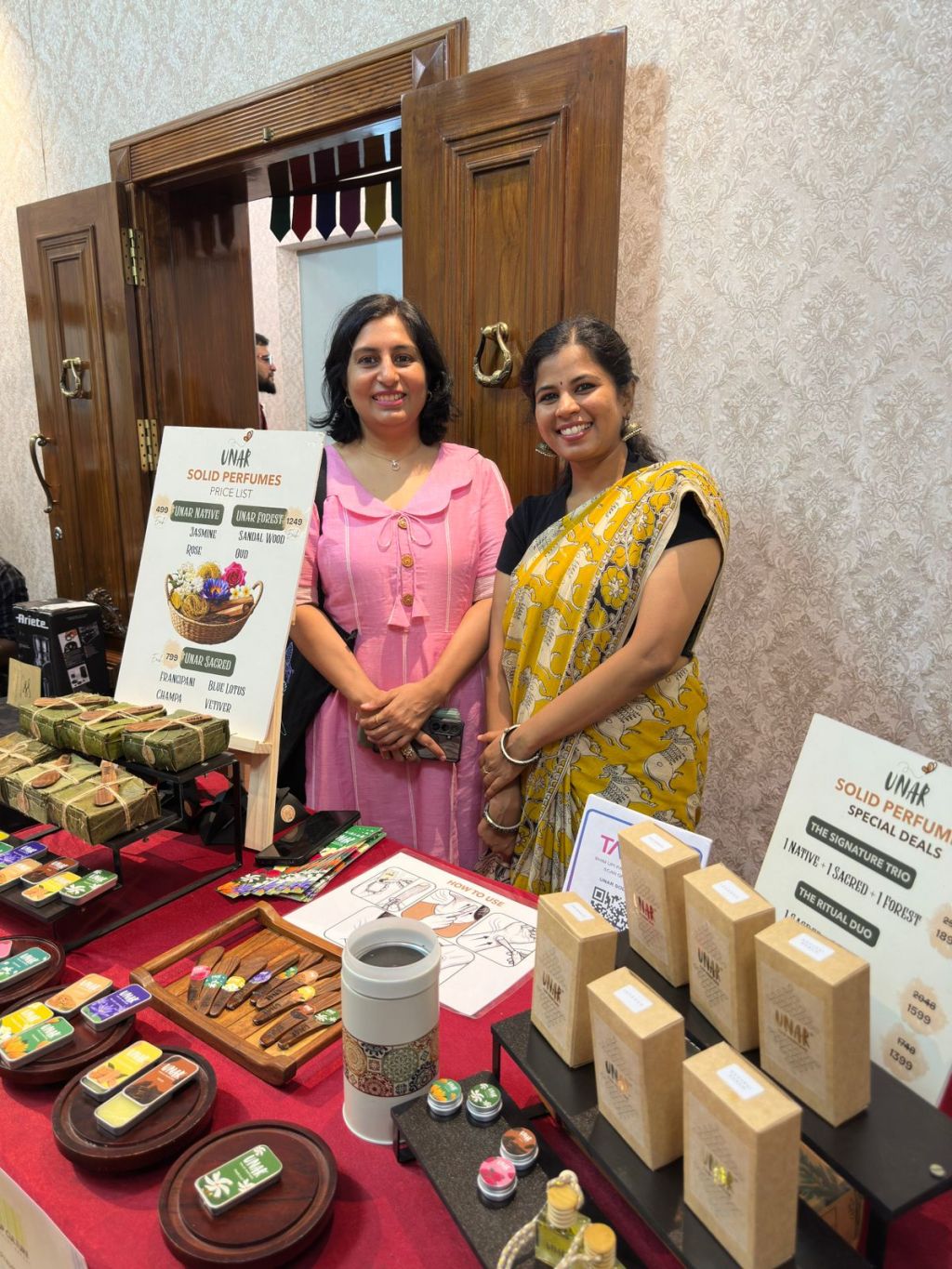
I spent a few hours at a pop-up market in Chennai.
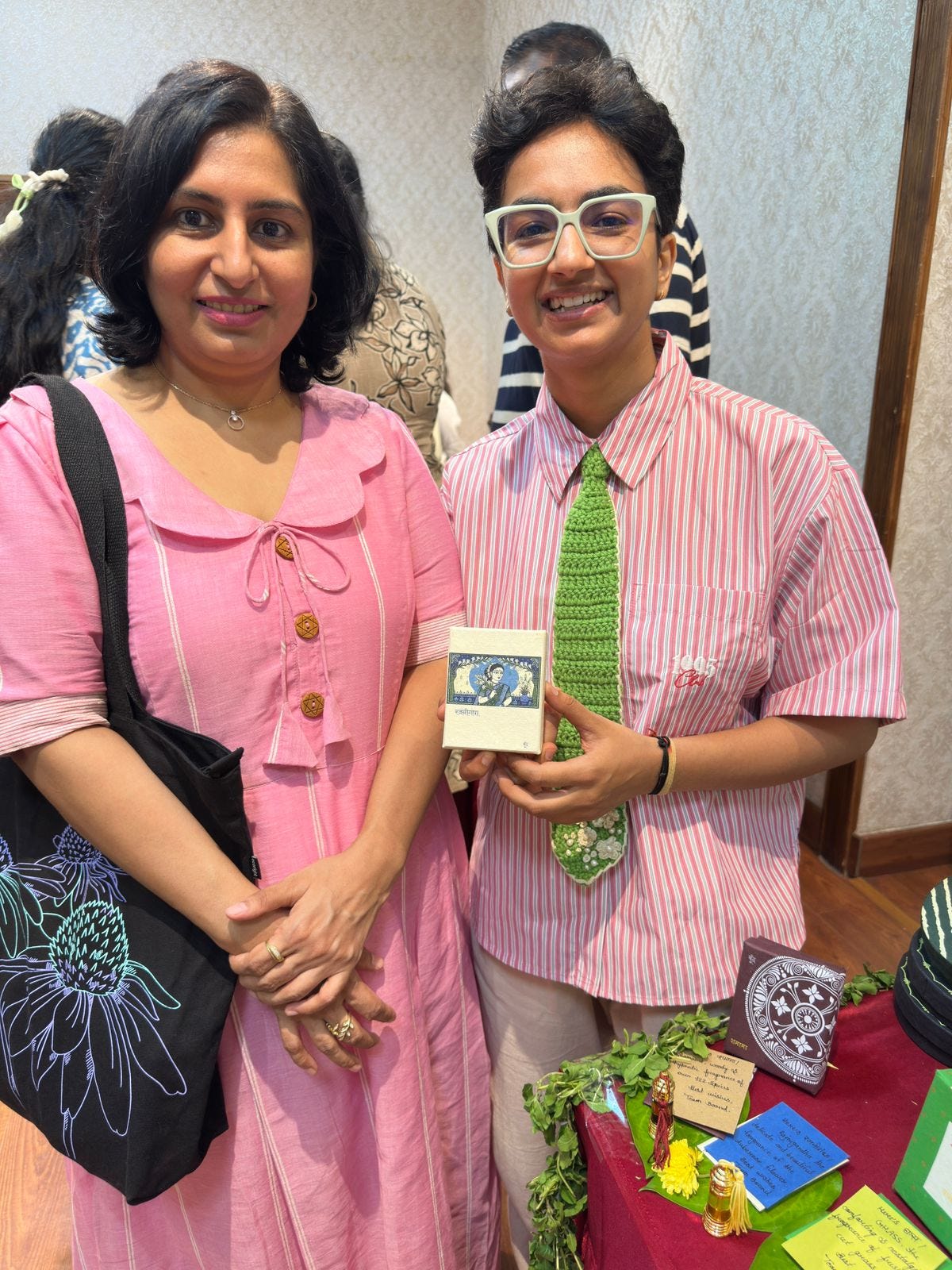
On the surface, it looked like any other well-curated lifestyle event. Stalls selling perfumes, clothing, jewellery, home décor, skincare, gifts, handcrafted products, and artisanal foods.
But as I moved from stall to stall, I was reminded of something I hadn’t thought about in a while.
Sustainability has many faces.
For the past few years, much of my work has revolved around systems-level conversations. Climate adaptation. Energy transitions. Circular economy. Sustainable finance. Climate-tech startups. ESG. Policy. Innovation ecosystems.
These are important conversations. They shape industries, influence capital flows, and determine how societies respond to environmental and social challenges.
But sustainability also exists in quieter places.
- It exists in the artisan who continues practising a craft passed down through generations.
- It exists in a small business owner who chooses to source locally rather than import cheaper alternatives.
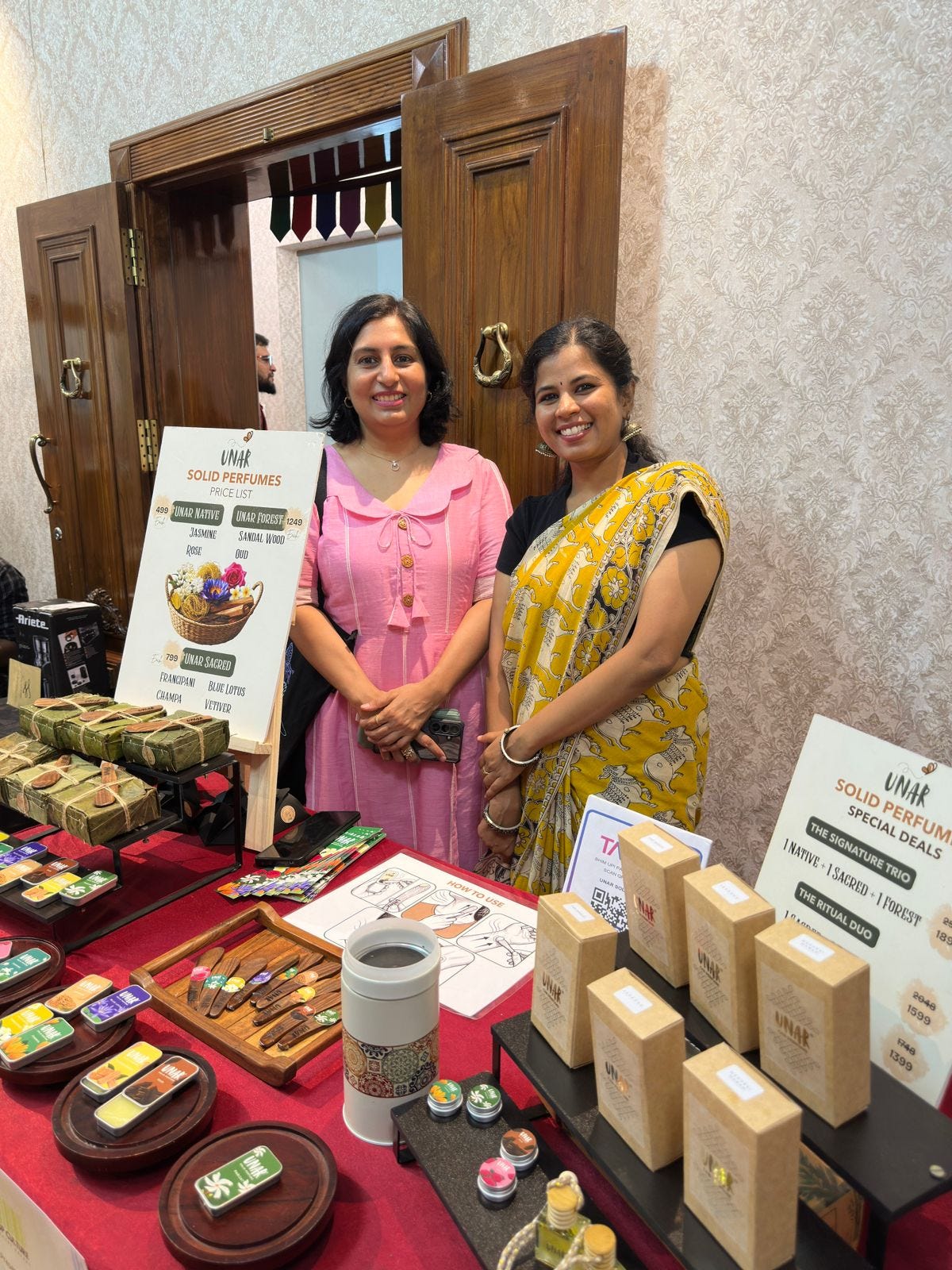
- It exists in a perfumer experimenting with Indian botanicals, florals, spices, and native ingredients to create fragrances that feel rooted in local identity rather than simply mirroring Western trends.
- It exists in founders who build businesses around preserving traditional techniques while creating modern products that can compete in contemporary markets.
- And it exists in the livelihoods these enterprises create for rural communities, craftspeople, women’s collectives, and independent makers.
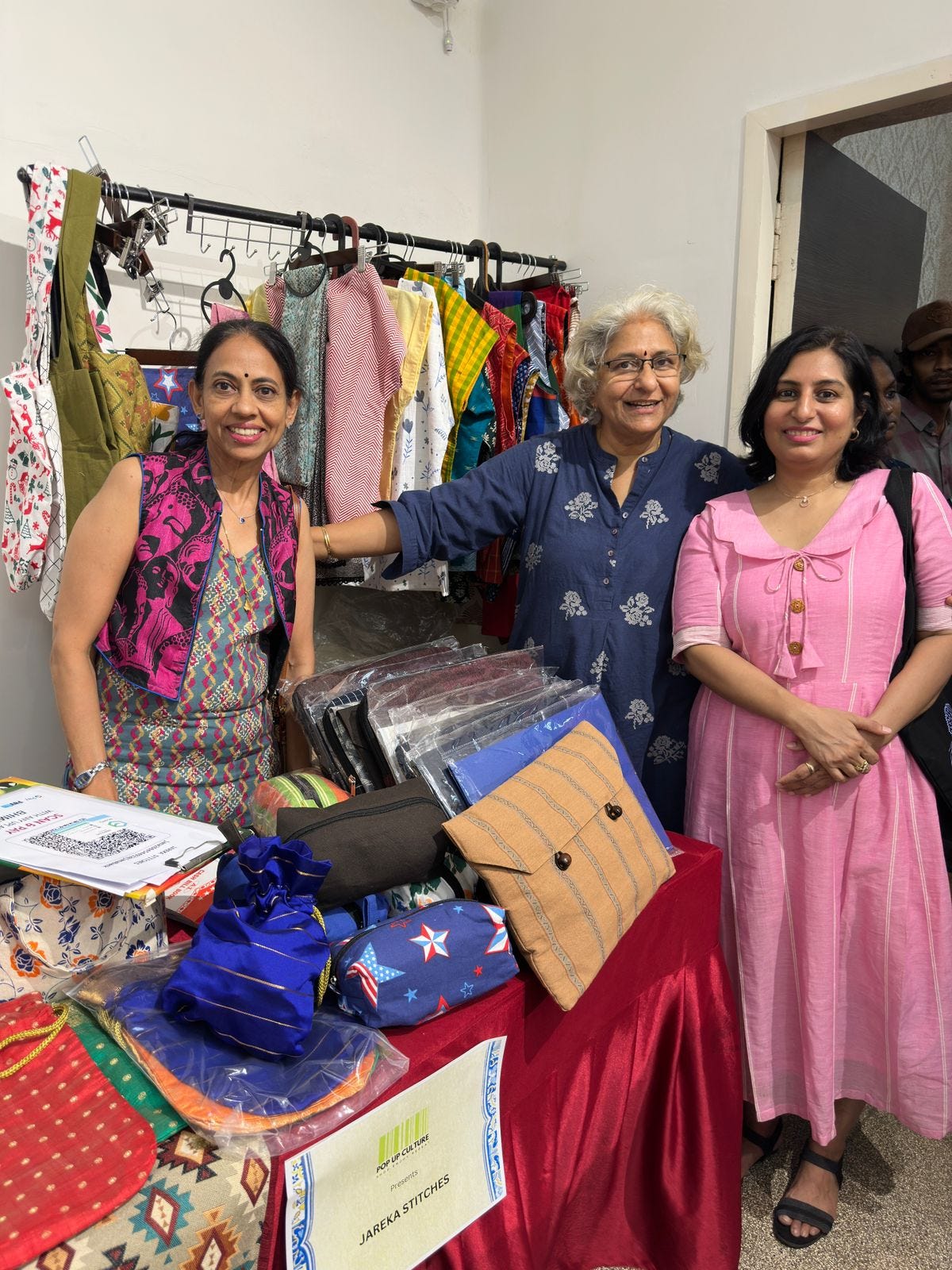
Many of the brands I encountered were doing exactly that.
Some were working with artisan communities to keep traditional crafts alive.
Some were creating products by hand rather than relying entirely on mass manufacturing.
Others were celebrating Indian ingredients, Indian aesthetics, and Indian storytelling in ways that felt authentic rather than performative.
What struck me most was that many of these businesses were not necessarily marketing themselves as “climate brands” or “sustainability brands.”
Yet they were contributing to outcomes that sustainability practitioners often speak about.
- Supporting local economies.
- Creating livelihoods.
- Preserving cultural heritage.
- Encouraging conscious consumption.
- Promoting craftsmanship over disposability.
- Strengthening community resilience.
In many ways, they were practising sustainability without necessarily using the language of sustainability.
The experience also felt unexpectedly personal.
Back in 2019, a significant part of EcoHQ’s work involved discovering and featuring eco-conscious businesses, sustainable brands, ethical entrepreneurs, and purpose-driven ventures.
I spent countless hours interviewing founders, writing features, documenting innovations, and helping people discover alternatives to conventional consumption.
Over time, however, my work gradually shifted.
The conversations became more focused on climate-tech, innovation ecosystems, startup funding, sustainability consulting, future technologies, policy, and systems change.
Not because those earlier stories became less important, but because there were only so many hours in a day.
Standing in that pop-up market, I realised how much I had missed this side of the ecosystem.
- The founders patiently explaining the story behind their products.
- The makers sharing the inspiration behind their work.
- The visible pride people carried when they talked about reviving a craft, supporting an artisan community, or building something meaningful from scratch.There is a certain humanity in these conversations that can sometimes get lost when we spend too much time discussing markets, metrics, technologies, and investment theses.
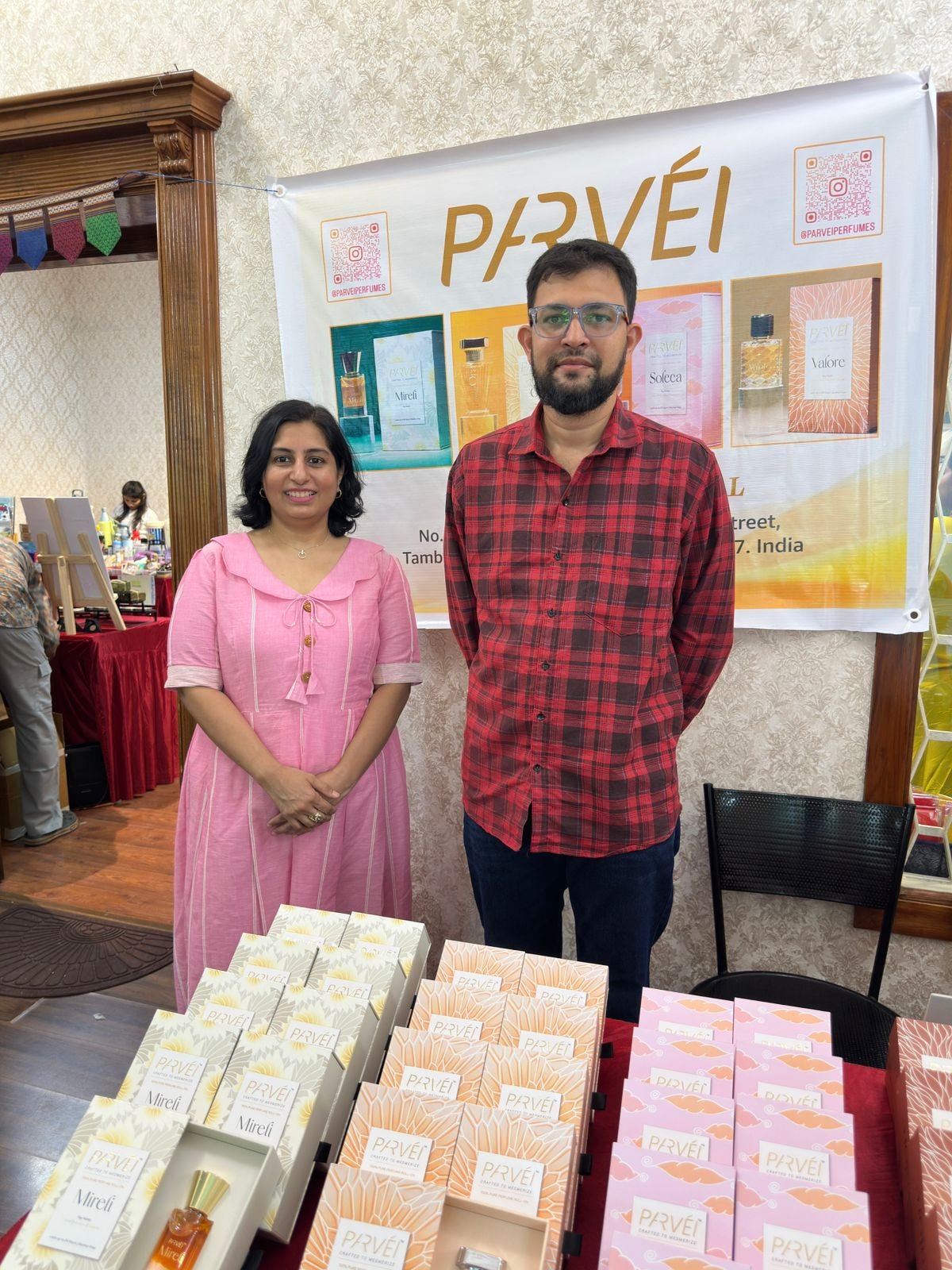
And perhaps that is why these brands matter.
Not because every handcrafted product will save the planet.
Not because every artisan-led enterprise is automatically sustainable.
But because they remind us that sustainability is ultimately about people.
It is about creating systems that allow communities, cultures, livelihoods, and ecosystems to thrive together.
That is something worth paying attention to.
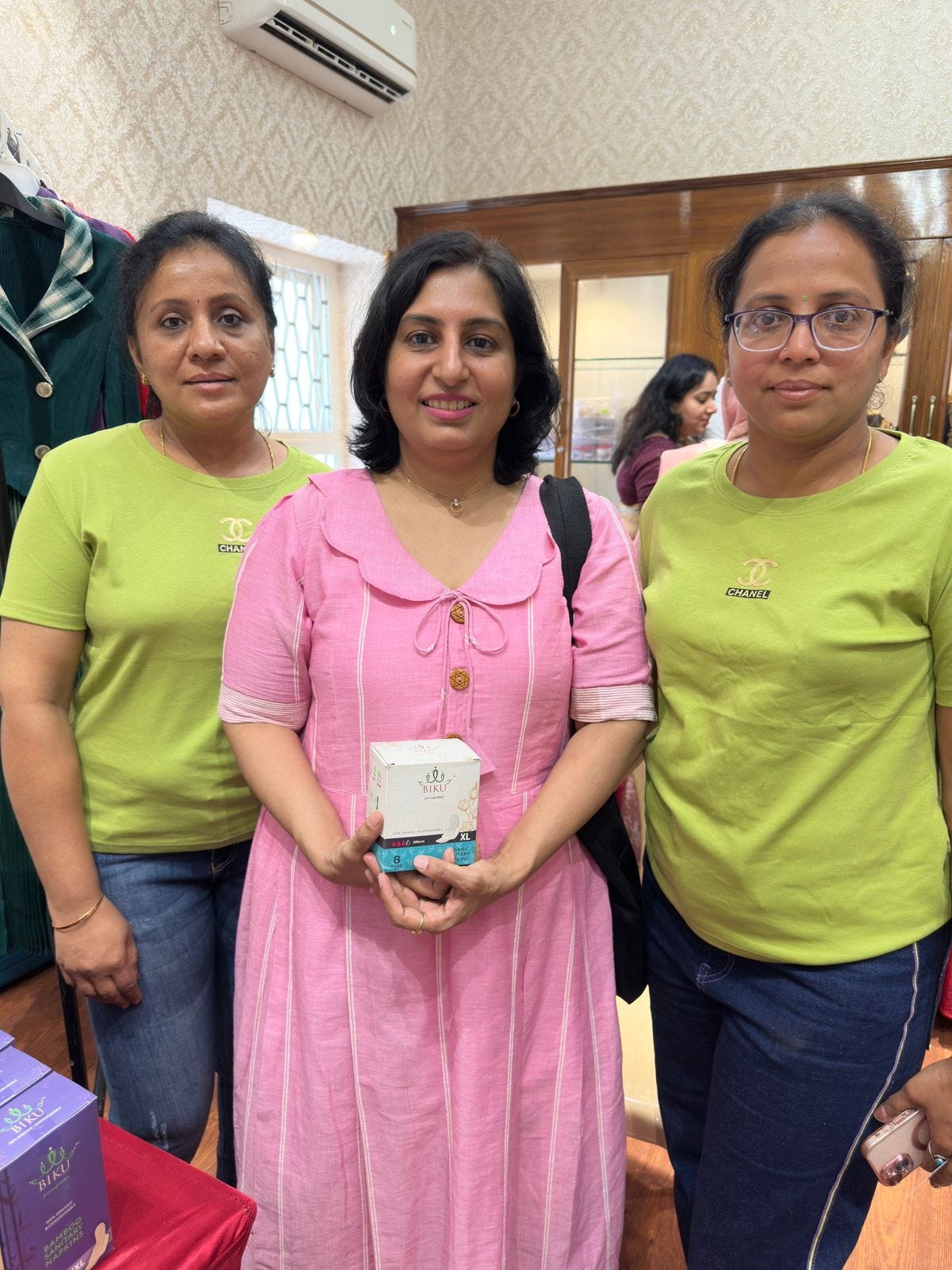
As EcoHQ continues to evolve, I would like to spend more time highlighting these stories again.
Not necessarily on LinkedIn, where my audience tends to engage more with climate-tech, innovation, and ecosystem-building conversations.
But through Instagram, Substack, and other spaces where there is room to explore the people, products, and stories behind these enterprises.
I am also keen to help connect some of these founders with relevant ecosystem players, pop-up organisers, conscious consumer communities, retailers, and platforms that can help them reach wider audiences.
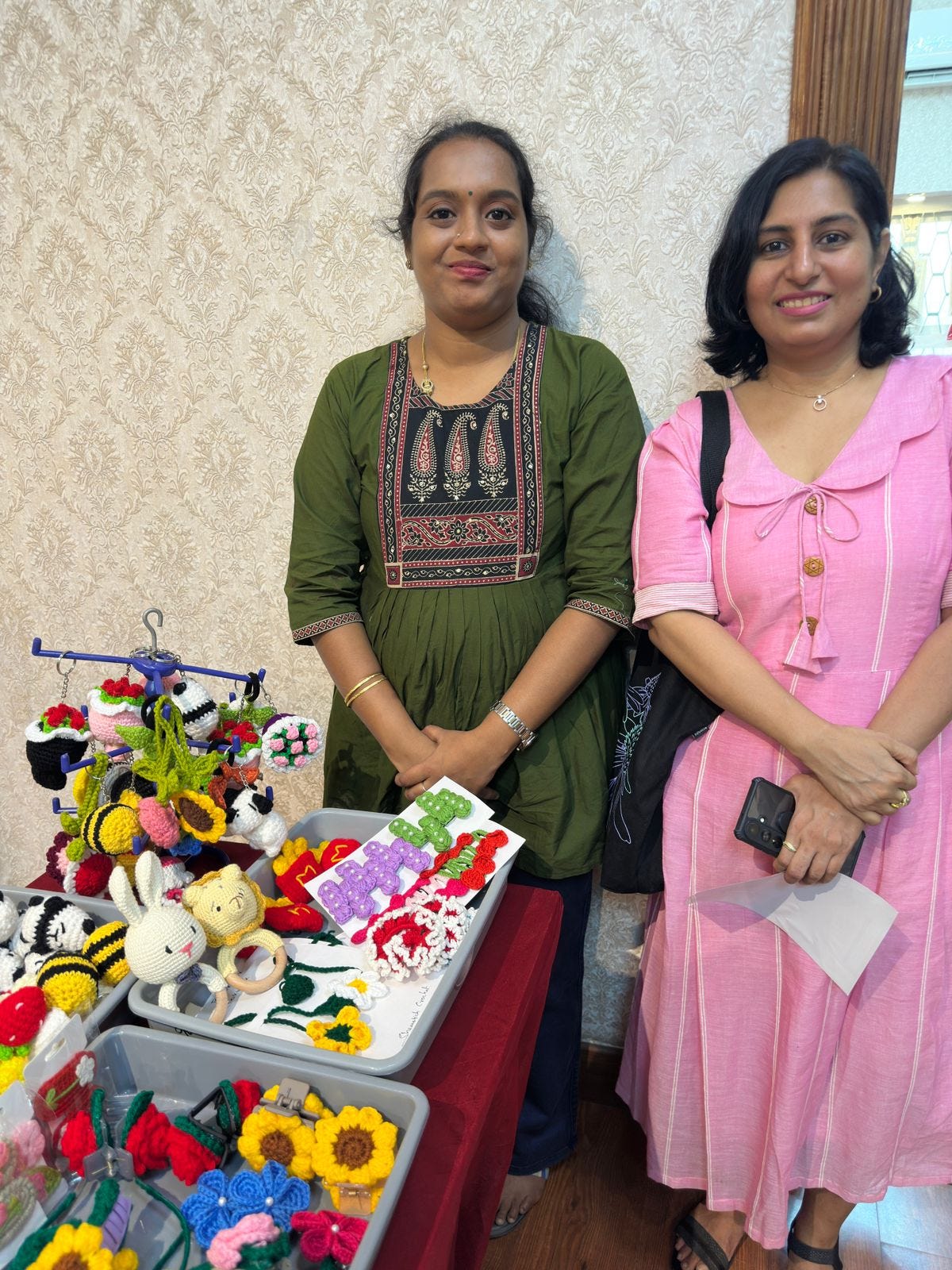
If you organise artisan markets, design fairs, conscious consumer events, retail showcases, cultural festivals, or lifestyle pop-ups, I would love to hear from you.
And if you are building a homegrown brand that combines craftsmanship, culture, livelihoods, and conscious production, please introduce yourself.
Sometimes the most meaningful sustainability stories are not found in boardrooms, conferences, or investment decks.
Sometimes they are found across a small table at a local market, in a conversation with someone who is quietly keeping a tradition alive.


Leave a comment