From village kitchens to export-ready products, what 60–70 women entrepreneurs across Tamil Nadu’s Tier-2 and Tier-3 districts revealed about grassroots entrepreneurship and local innovation.
From village kitchens to export-ready products, what 60–70 founders taught me about resilience, agency, and local entrepreneurship.
On March 12, I spent an entire day listening to women entrepreneurs from across Tamil Nadu pitch their businesses.
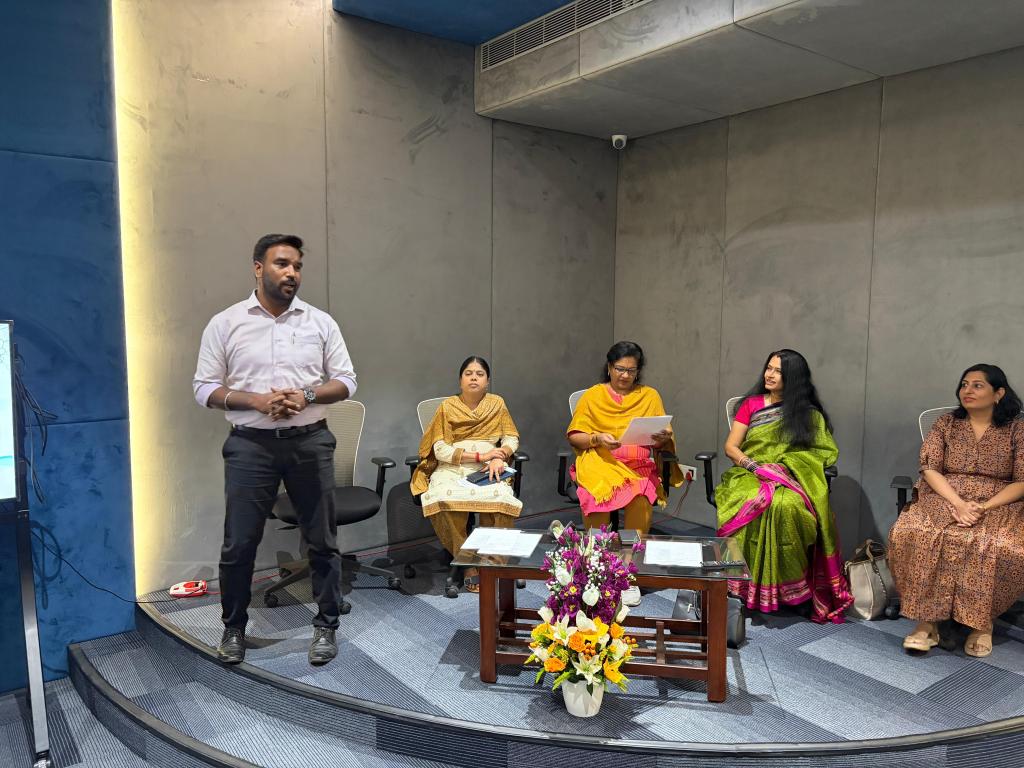
The occasion was the second screening round of the TN-RISE Women Entrepreneurs Programme, held at the TN-RISE Office in Chennai. TN-RISE is part of the broader ecosystem supporting women-led startups and rural entrepreneurship in Tamil Nadu, particularly across Tier-2 and Tier-3 districts.
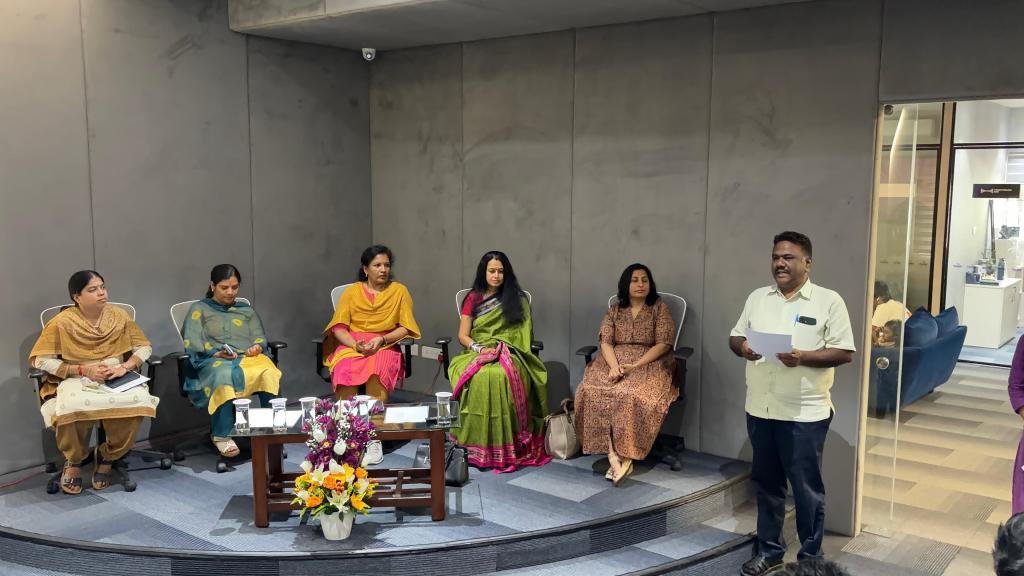
Alongside fellow jury members Aarthi, Vaishali, Hariharasudhan, and Jagan Kumar, we evaluated and shortlisted women-led businesses from a pool of around 60–70 entrepreneurs representing different districts of Tamil Nadu.
During the screening discussions, I also had the opportunity to interact with Shajeevana R V, IAS, Managing Director of the Tamil Nadu Corporation for Development of Women (TNCDW), which plays a key role in supporting women’s economic empowerment and grassroots entrepreneurship across the state.
Spending the day with these founders left me with a few powerful observations.
A quiet entrepreneurial wave in Tamil Nadu
Tamil Nadu has built a strong ecosystem of government schemes and programmes that are enabling rural women entrepreneurs and small business owners in Tier-2 and Tier-3 towns to start and grow businesses within their communities.
Many of these ventures begin as home-based enterprises or micro businesses, often rooted in local knowledge and community supply chains.
But they do not stay small for long.
What stood out during the screening process was that almost every entrepreneur had traction.
Many had identified their first customers and begun building a brand around their products. Some had already completed lab testing, certifications, and export licensing, while others were exploring how to take their products into interstate distribution and export markets.
A few had already established distribution networks across other Indian states, while others were experimenting with both B2B dealer networks and B2C retail channels depending on their product category and margins.
Several founders had successfully established production units and were now exploring ways to scale their businesses within the Tamil Nadu startup ecosystem.
What many of them need next is support with packaging, certifications, marketing, distribution partnerships, and export-ready quality standards.
The stories behind these women-led businesses
Beyond the business models and product categories, what stayed with me most were the stories behind these ventures.
For many of these women entrepreneurs in rural and semi-urban Tamil Nadu, entrepreneurship was not simply a career choice.
It was a necessity.
Some had stepped into business because they had to become primary breadwinners for their families after difficult circumstances.
Through their work, they were now contributing to household incomes, supporting their children’s education, and strengthening local livelihoods and community economies.
In several cases, their businesses were also creating opportunities for others in their villages or towns, from local workers to small suppliers.
The products themselves were impressive.
Many founders were building organic, health-focused and community-sourced products, reflecting a deep understanding of local demand, traditional knowledge, and sustainable practices.
These were not experimental side projects. Many had clearly spent time researching their markets and refining their products through real customer feedback.
The confidence gap in grassroots entrepreneurship
Interestingly, several founders felt their work was “small”.
Not because their businesses lacked quality or demand, but because they communicated primarily in regional languages and had limited exposure to metro startup ecosystems.
There is often a perception that entrepreneurship becomes legitimate only when it appears in English, in a metro city, or within venture capital networks.
But what I saw that day suggested something very different.
Many of these founders possess something far more powerful.
Agency.
Why Tier-2 and Tier-3 founders often execute faster
Entrepreneurs in Tier-2 and Tier-3 ecosystems across India often understand their markets deeply.
They know their geography, their communities, their supply chains, and their customers.
They test ideas quickly, gather feedback from real users, mobilise local labour networks easily, and refine their products through direct interaction with the market.
In contrast, startup founders in large metro ecosystems sometimes have access to more capital, networks, and communication skills, but struggle to move from ideation to execution.
In smaller ecosystems, the opposite often happens.
People build first, learn from the market, and refine continuously.
And that ability to execute quickly with limited resources is often what makes grassroots businesses resilient.
A meaningful way to celebrate Women’s Week
Spending the day interacting with these founders felt like a meaningful way to spend Women’s Week.
It was a reminder that entrepreneurship does not always look like venture-backed technology startups.
Sometimes it looks like a woman building a product in her community, testing it with local customers, improving it over time, and gradually turning it into a sustainable business that supports her family and community.
As these founders move forward into the next stages of incubation through TN-RISE, I look forward to supporting some of them further through EcoHQ and TN W.O.M.E.N, in whatever capacity possible.
Because some of the most interesting entrepreneurship stories in India today are emerging from Tamil Nadu’s towns, villages, and district ecosystems, where women are building resilient businesses that strengthen local economies and supply chains.
And those stories deserve far more attention.
 Deepa Sai
Leave a comment