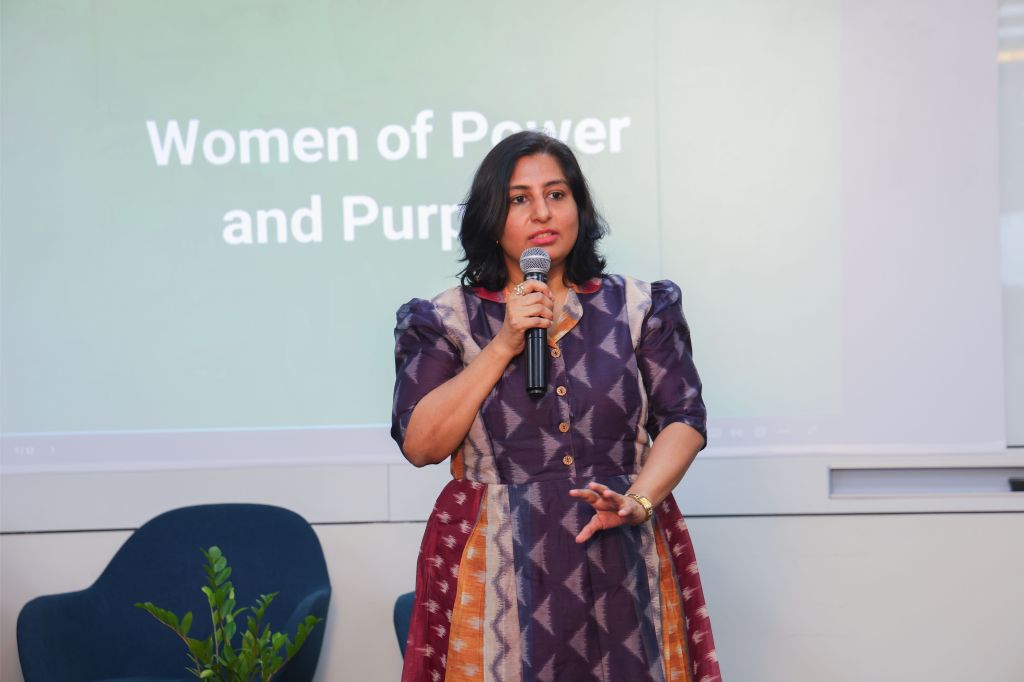
From freezing mid-speech at nine to writing for leaders for a decade, this is a personal study in fear, mastery, and earned visibility.
The first time I held a mic on stage, I was nine years old.
I had memorised my speech. I had practised it. Somewhere in the middle of it, I froze. Completely blank. I couldn’t continue. I don’t remember how I got off the stage, but I remember how it felt. That moment stayed with me far longer than anyone else probably remembers it.
For years, it quietly shaped how I viewed the stage.
Then college happened.
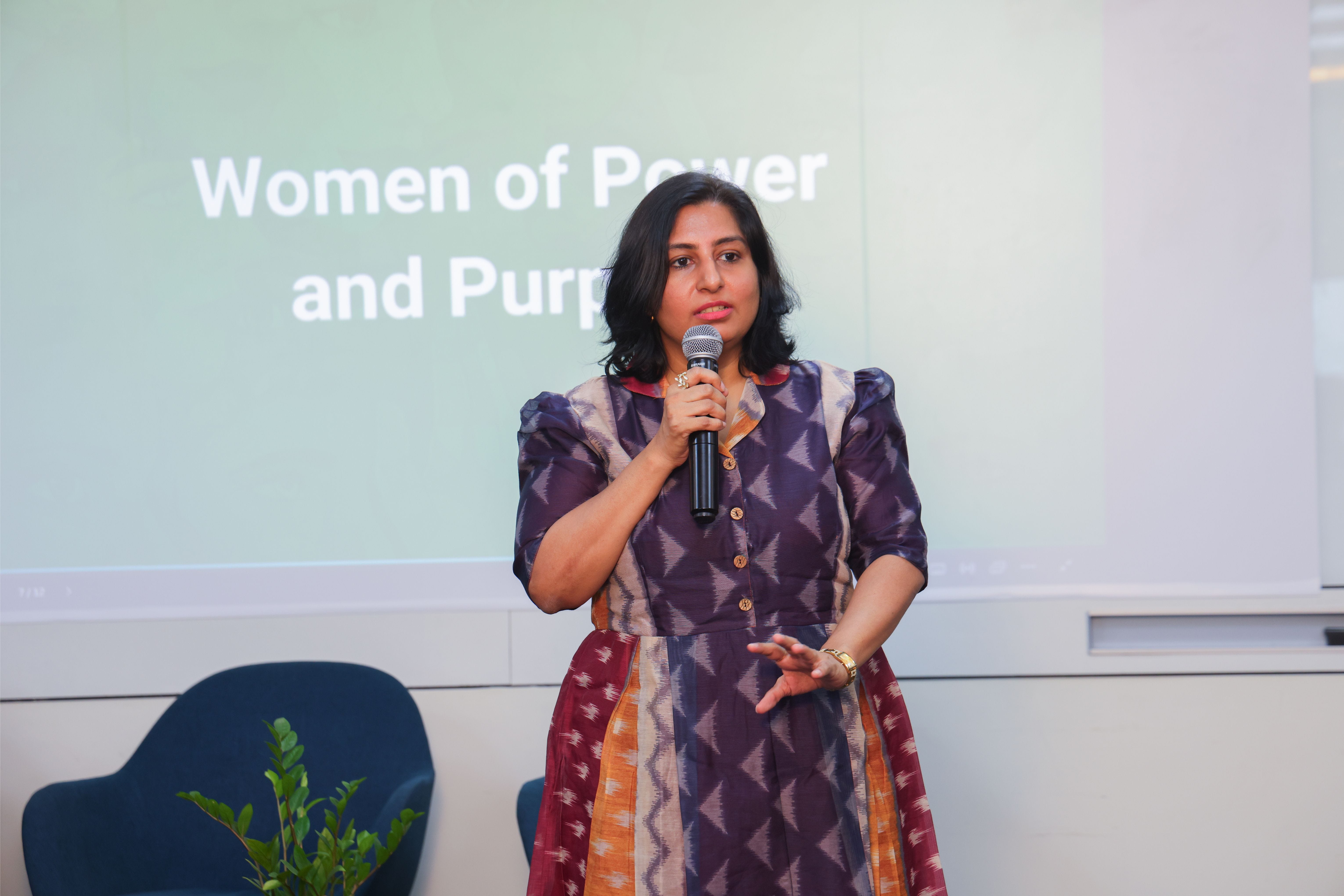
In 2004, during culturals, I returned to performance through rap and singing. This was around the time Sofia Ashraf was active in the rap circuit and, in many ways, a contemporary and friendly rival. That energy shifted something in me. The stage felt less like a threat and more like a space for rhythm, wit, and presence. I participated fully. I performed. And we won prizes because of my participation.
That detail matters to me now because it disrupts the narrative I had constructed in my head. The stage had not rejected me. It had rewarded me.
In 2011, I was invited to sing Tamizh Thai Vaazhthu and anchor an audio release function on ethical political campaigning. The audience included IAS and IPS officers, Chief Electoral Officers past and present, and about 25 to 30 media houses. It was a serious room. A high-stakes setting.
I was also severely overworked at the time, running a fever with cold allergies. My voice simply would not cooperate. I could barely breathe. Actor Nassar began the song and the entire room joined in. It was generous and dignified, and I remain grateful to him for stepping in and carrying that moment. From the outside, it may have looked seamless. Internally, it felt like my body had once again chosen visibility as a point of vulnerability.
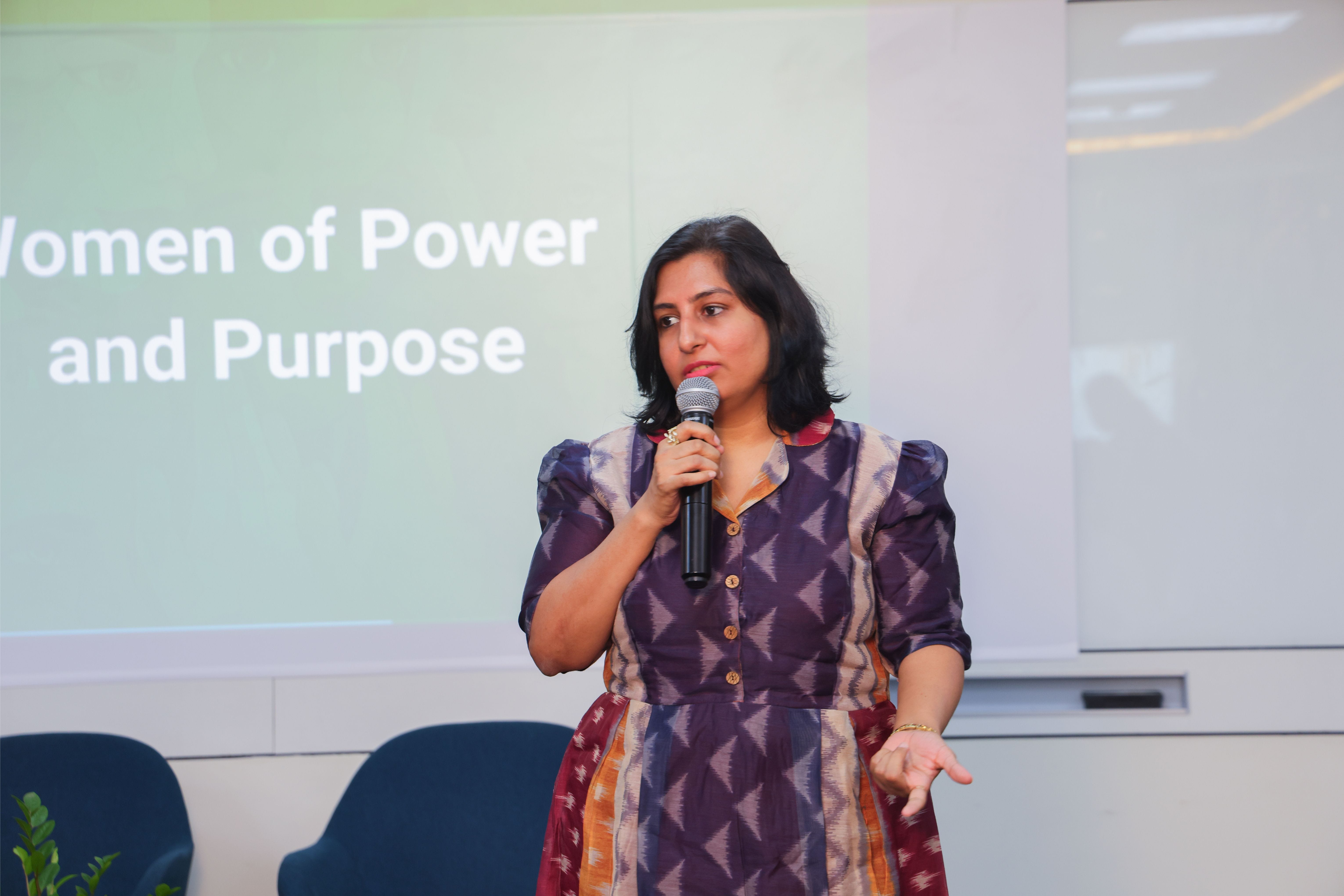
After that, I stepped away from public speaking again.
But I did not step away from the craft.
Between 2011 and 2025, I wrote speeches for others. TEDx talks. International forums. Government events. Public figures. Influencers. Thought leaders. I studied cadence, narrative arcs, audience psychology. I learned how authority is built long before someone walks onto a stage.
When I returned to speaking, it was not through performance. It was through expertise. I delivered a seminar on green chemistry and green engineering at Saint Gobain Research India, courtesy Manasa Sai Sekar. The return was grounded in domain depth, not adrenaline.
Through 2025, I began delivering keynotes and guest lectures on responsible entrepreneurship, climate action, and impact strategy.
Looking back, my stage evolution was not about becoming fearless. It was about building enough substance that fear no longer dictated the narrative.
The mic never changed. My relationship with it did.
 Deepa Sai
Leave a comment