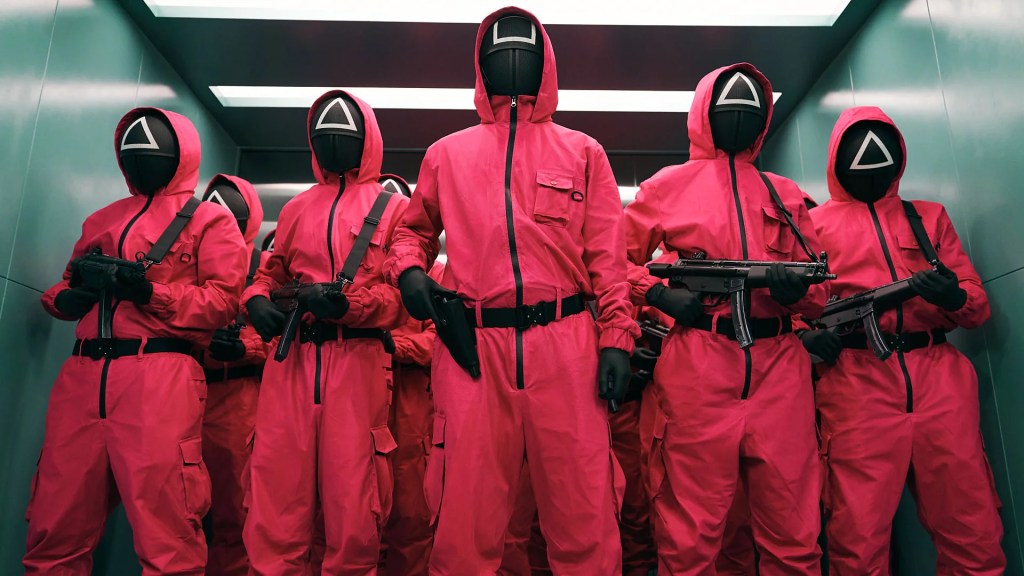
What if doing the right thing still costs you everything and still changes nothing? Squid Game reveals much about guilt, sacrifice, and the slow erosion of values not just in others, but in ourselves.
Just finished watching Squid Game, and honestly, it hit way closer to home than I expected.
Not because of the violence or the plot twists — but because it reminded me of how so many people I know in the impact space are also stuck in a game.
A game they didn’t design, but one they have to play anyway.
In Squid Game, even though the game was cruel, it still had rules.
And most players adapted. Some betrayed. Some manipulated.
Some stayed true till the end.
But the ones who survived? Often had to give up parts of themselves to make it through. That’s what I keep seeing in our world too.
People enter this space with values — real ones.
They genuinely want to fix systems. Challenge injustice. Reimagine what’s possible. But slowly, quietly, they start compromising.
Not all at once — but bit by bit. Because survival demands it. Funding demands it.And the system rewards certain behaviours.
Impact gets measured by metrics — but not the kind that communities set. It’s usually what funders want to see. So strategy becomes about meeting those expectations.
And ethics start to get… negotiable.
It’s subtle. It doesn’t look evil. But that’s what makes it dangerous.
You start putting up walls. You justify decisions. You become sharper, tougher, more “strategic.” Until one day, you realise you’re not playing the game anymore — the game is playing you. And you’re starting to resemble the very thing you came in to resist.
That’s why Squid Game shook me a bit.
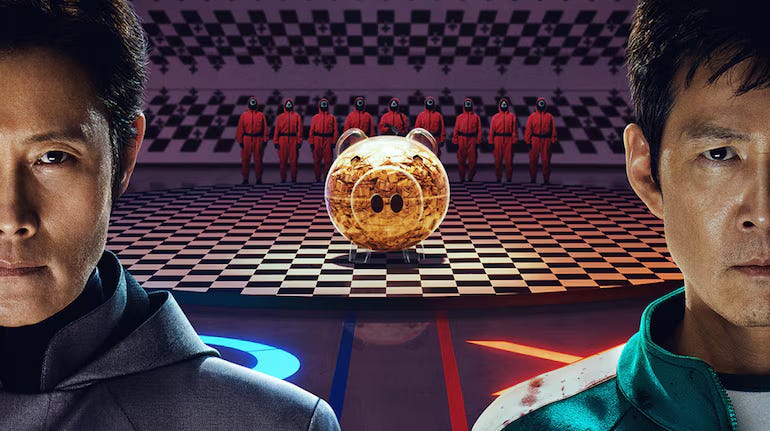
Especially the part where the frontman — who was once a player — ends up running the whole thing. Because he didn’t see a way out…the system pushed him there.
And the protagonist? He couldn’t destroy the system either. But in the end, he made a choice. A personal one. He stayed human.
Sometimes that’s the only thing we can do. The system may not change overnight.
But we have to keep asking ourselves: are we still playing by our own rules? Or have we started becoming the system itself?
Because the scariest part isn’t losing the game. It’s losing yourself while trying to win it.
Tricksters got tricked.
People who lied and manipulated others were, in the end, outsmarted. Those who were cruel ended up facing cruelty in return. The bullies — the loud, violent, aggressive ones — were killed by those they had tried to overpower.
Almost like karma was quietly keeping score. The game didn’t need to intervene. People simply became their own undoing.
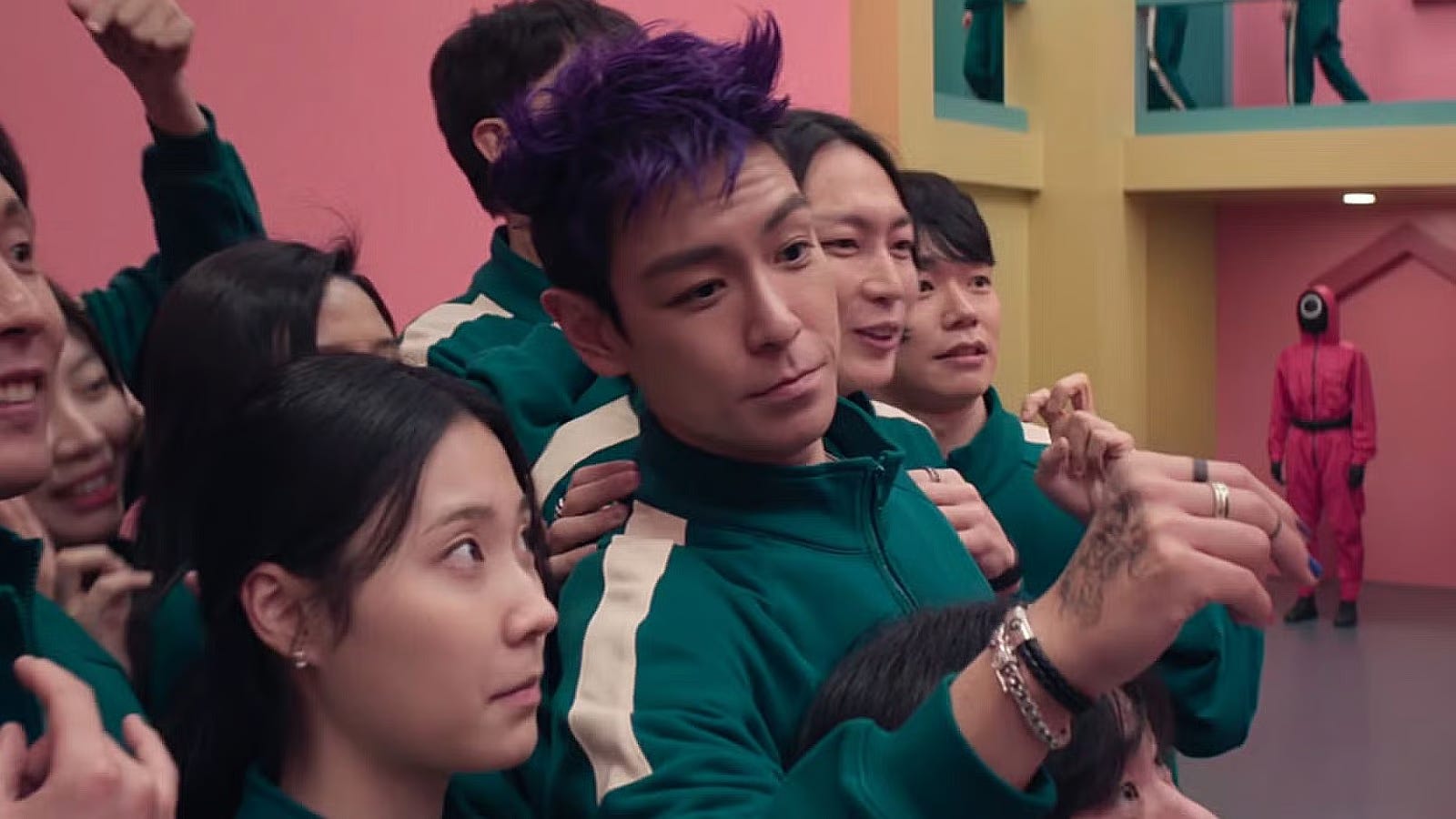
But the people who stood for something? Their endings were harder to watch.
Like the trans woman who put herself in harm’s way to protect the pregnant mother.
Or the old woman who came into the game not to win money, but to save her son — only to end up killing him when he tried to harm someone else.
She chose her principles over her own child. And then she lived just long enough to regret it. She hung herself. Not because she was weak. But because she carried the weight of doing the right thing — and it broke her.
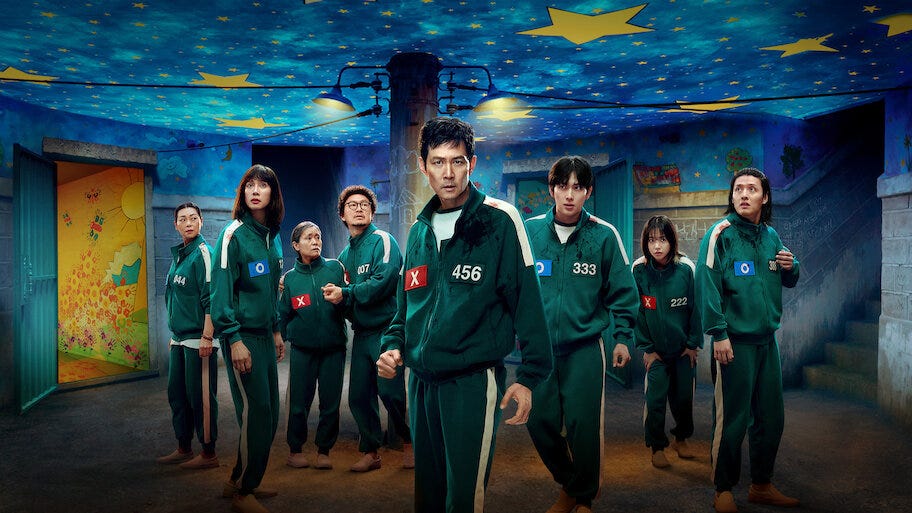
Then there was the pregnant mother. She didn’t die fighting. She died trusting. She handed her baby to the protagonist — someone who didn’t even believe in himself at that point — because she still did. Because even in the worst possible situation, she believed someone would carry forward what mattered to her. That wasn’t just maternal instinct. That was radical belief in goodness, even in the middle of chaos.
And across three seasons, we saw something rare in a game built on survival: people who chose to sacrifice themselves so their friends could live. A final act of love in a place designed to erase it.
And here’s the part that hits closer to home: I’ve felt those shifts in myself too.
I’ve worked with social activists. I’ve spent years in the impact sector.
And back when I first started — 2007 to 2013 — I remember seasoned activists quietly confessing that the work exhausts you to the bone.
They said: after a point, you start becoming numb to the very people you’re trying to help.
And I didn’t get it then. But I do now. Because when you’re surrounded by pain every single day — stories of violence, injustice, exploitation — your brain does what it must to survive. You don’t stop caring. You just stop feeling it the same way.
It’s a Freudian defense mechanism — intellectualization.
The same way surgeons don’t operate on family. The same way therapists don’t counsel their loved ones. Because detachment is necessary. Emotional distance keeps you steady. But too much distance? You stop being human.
You start seeing people as numbers. Cases. Projects. Metrics. And before you know it, you’re desensitized. Apathy creeps in like anesthesia. You’re awake. But you’re not really there anymore.
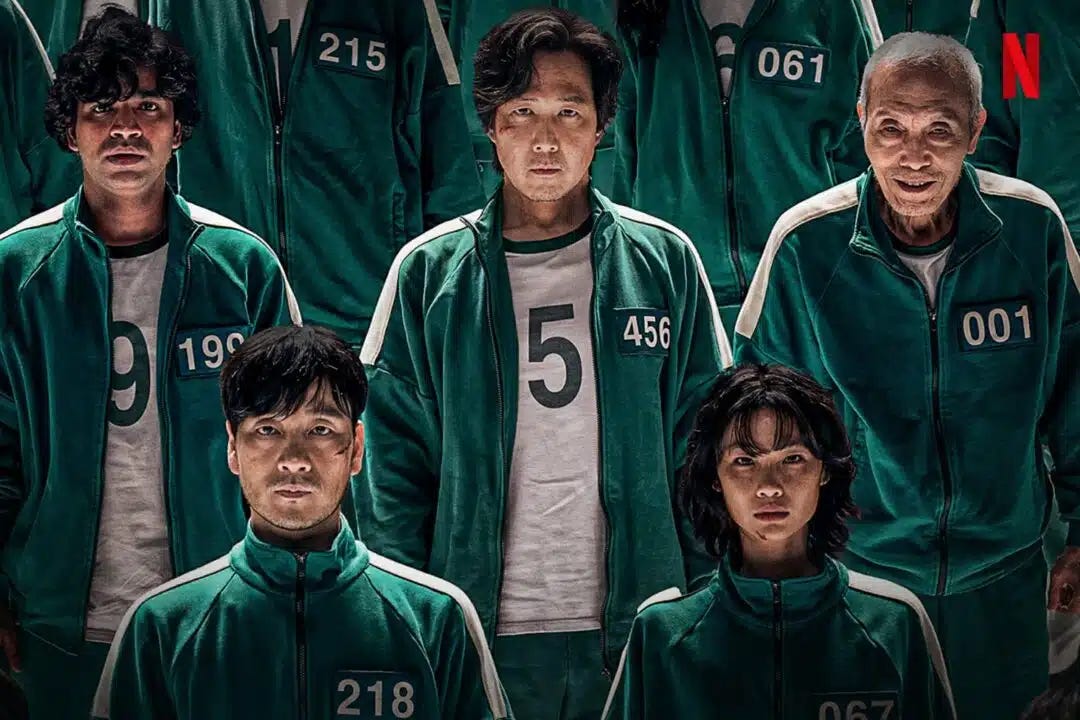
And once that happens — once you’re emotionally detached from the people you serve — you’re no longer fighting the system.
You are the system. A bystander with good intentions and a hollow core.
One of my mentors once told me:
“Keep a small fire burning inside you. A quiet, steady anger. That fire will remind you why you’re here. That’s what will keep you from going numb.”
And I’ve held onto that. But even then, it’s not always the noble emotions that fuel me.
Sometimes what’s pushed me forward hasn’t been just passion. It’s been pain.
There are parts of my journey that weren’t driven by hope or purpose.
They were driven by humiliation. By being underestimated. Labeled. Boxed in.
Naïve. Rudimentary. Hyper-enthusiastic but “no substance.”
I’ve heard it all.
So yes, I wanted to learn. To serve. But I also wanted to prove them wrong. I wanted to break the boxes they put me in. I wanted justice — not just for others, but for myself. And that too, is real. That too, is fuel. I’ve been shaped by equal parts of purpose and spite. Of growth and grief. Of fire and frustration.
But this industry doesn’t always honour that complexity.
There’s an unspoken expectation that if you work in climate, impact, or justice — you should give your time, energy, ideas, and labour for free. I’ve been ghosted by people who wanted my mentorship but disappeared the moment I asked for compensation. No thank you, no reply — just silence — for four years now.
As if doing meaningful work means I don’t deserve to be paid. As if justice work should cost me everything — and give me nothing. And that… makes me angry too.
Not just because it’s unfair. But because it festers. And festering anger has a way of mutating. It turns self-righteous. It says:
“I’ve suffered. I’ve been excluded. So I deserve more than others.”
And that’s dangerous. Because slowly, without realizing, you start becoming the thing you were fighting.
So what do we do with that?
I don’t know if there’s a clean answer.
But I do know this:
Sometimes doing the right thing doesn’t feel good. Sometimes, sticking to your values feels like failure. Sometimes, the people who fight the hardest carry the heaviest guilt — because they feel more than others, and they blame themselves more than others.
And if we don’t pause and check in — if we don’t let ourselves be messy, complicated, honest — we will burn out. Or worse, calcify into something we never wanted to become.
So here’s where I’m at:
I’m still figuring it out. Still holding the fire. Still catching myself before I drift too far into apathy or moral rigidity. Still wondering if I need to step back from the sector just to stay good enough to do any good.
Maybe we do still have a choice. Like the protagonist did — to choose the baby over himself, to choose humanity over survival, compassion over vengeance. To not burn the system down, but to carry forward something that might outlive it.
But sometimes…maybe we don’t. Maybe the system corners us so completely that we just tell ourselves we have a choice — because it’s easier to sleep at night that way.
And no, we don’t always get the good poetic justice we think we deserve. Sometimes we just get tired. Sometimes we get forgotten. Sometimes we do the right thing — and it still costs us everything.
But we try anyway. Because some part of us still believes there’s a game worth playing that’s not rigged. Or at the very least, worth un-rigging.
 Deepa Sai
Leave a comment